92:Xendit Gamification Summit Work: A Complete Guide to Employee Engagement
Remote work changed how teams connect. People finish their tasks but feel far from the mission. Managers see the gap. Yearly awards can’t close it.
That’s why Xendit Gamification Summit Work draws so many searches. Some people type gamificationsummit work xendit or xendit work gamificationsummit. Others try gamificationsummit xendit work. All of them want the same thing. They want to know how workplace gamification can lift employee engagement. One note first. Public sources don’t confirm an official summit. So you’ll treat the topic as a model with real lessons.
What Is Xendit Gamification Summit Work?
Xendit Gamification Summit Work describes a way to bring game ideas into daily jobs. Think of achievement badges, leaderboards, and shared goals. The point isn’t to make work a game. The point is to make progress easy to see. Xendit is a payments company in the fintech industry. Many sites link its name to this idea.
Be careful with the claims you read. TycoonStory says public information doesn’t clearly establish this term as a documented Xendit event or platform. StartupEditor agrees that Xendit’s public documentation doesn’t establish the exact summit. So think of a Xendit gamification program as a gamification framework. It blends recognition, learning, and teamwork. The table below shows the typical parts.
| Feature | Purpose |
| Achievement badges | Celebrate wins |
| Leaderboards | Encourage friendly participation |
| Progress tracking | Show real growth |
| Team-based challenges | Strengthen teamwork |
| Personalized learning | Match tasks to skills |
Why Traditional Employee Engagement Strategies Were Failing
For years, firms leaned on annual awards and yearly surveys. Those tools worked when everyone shared one office. You saw your coworkers daily. Praise felt personal. Today, teams meet on video calls and chat apps. Work gets done but connection fades. Leaders then see lower employee satisfaction even when results look fine.
Money alone can’t fix this gap. People want purpose and learning. They also want to feel seen. That’s why human resources management teams now test new employee engagement strategies. Studies from groups like Gallup show that engaged teams perform better. The old model waits a year to say thanks. The new model says it every week.
| Traditional Approach | Modern Approach |
| Annual rewards | Continuous employee recognition |
| Yearly surveys | Ongoing employee feedback |
| Individual praise | Team achievements |
| Static programs | Interactive workplace challenges and rewards |
The Main Goals of Xendit Gamification Summit Work
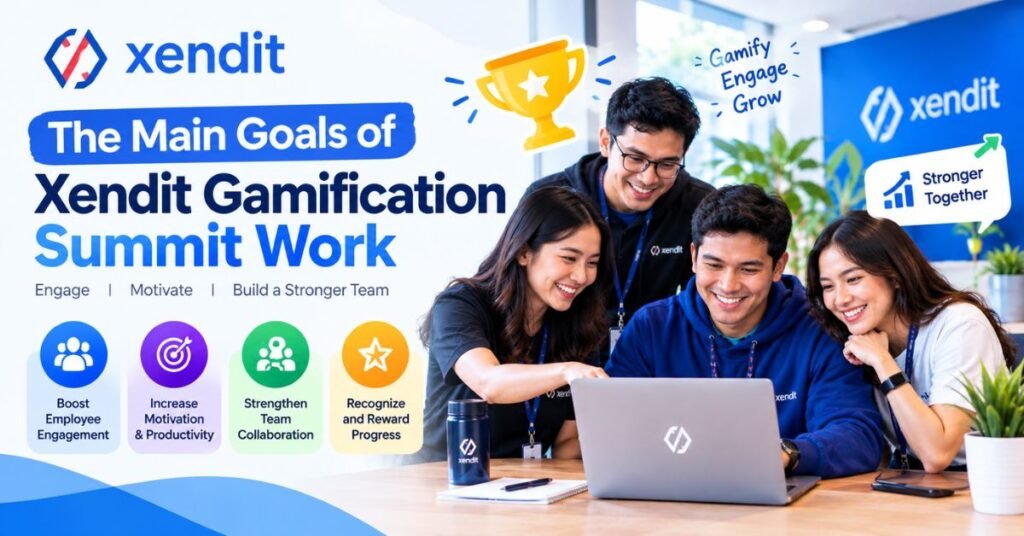
The first goal is connection. People stay when they see why their work matters. Good programs build intrinsic motivation. That’s the drive that comes from within. They also use extrinsic motivation like badges and small prizes. The mix matters. Too many prizes can crush genuine interest. Smart employee motivation techniques keep both in balance.
The second goal is lasting health. A strong program supports organizational culture development. It rewards teamwork and learning. It also backs employee wellness initiatives so people don’t burn out. Think of it like a garden. You can’t force growth. You can only build the right conditions. Over time, the workplace culture becomes warmer and more open.
How Xendit Designed Its Workplace Gamification Framework
A strong gamification framework needs more than points. Staff spot fake systems fast. So the design must tie every activity to real work. Each step should support learning and teamwork. That’s how implementing a gamification framework avoids the “gimmick” label.
Most models rest on organizational behavior research. People repeat actions that earn quick and fair feedback. Four building blocks show up again and again. They form a simple gamified employee experience. Each block is explained below.
See Also: WiseStudySpot.com: AI Tools, Software Reviews, and the Latest Technology Guides
Daily Wins and Small Achievements
Small wins build big momentum. Finishing a support queue or helping a teammate counts. A quick badge or shout-out makes the win real. This kind of employee recognition helps employee performance improvement because people see steady progress every single day.
Collaborative Quests and Team Activities
Collaborative quests bring people from different teams together. An engineer and a marketer might solve one customer problem. These team collaboration activities build trust. They also break down silos. Shared goals beat solo races almost every time.
Smart Challenges and Skill Development
Smart challenges match tasks to each person’s role and goals. A finance analyst gets different missions than a designer. This supports corporate learning gamification and personalized learning. People grow faster when the work fits them.
Progress Tracking and Reward Systems
People stay engaged when they can see their growth. Levels and milestones make that clear. Strong workplace reward systems reward learning and teamwork over raw speed. Good reward mechanisms also stay fair across every department.
| Component | Main Benefit |
| Daily wins | Steady motivation |
| Collaborative quests | Better teamwork |
| Smart challenges | Personal growth |
| Progress and rewards | Long-term loyalty |
Why Workplace Gamification Works in Fintech Companies
The fintech industry moves at lightning speed. New rules and security threats appear all the time. Customers expect fast and safe service. Staff must learn quickly under pressure. That mix can drain motivation. Gamification in fintech gives people clear goals and quick feedback. It turns heavy learning into smaller steps.
Fintech teams also live in digital tools. Cloud apps and chat platforms fill their day. So gamification strategies for fintech companies slot in with little friction. This matters for employee engagement in fintech startups too. Small teams grow fast and need culture early. A light program can protect that culture while the company scales.
| Fintech Challenge | How Gamification Helps |
| Fast-changing rules | Continuous learning |
| Remote teams | Better teamwork |
| Stress and fatigue | Healthier pacing |
| Strong competition | Stronger employee retention strategies |
The Technology Behind the Gamification Experience
A good idea needs solid tools. A digital gamification platform tracks tasks and awards points. It also shows a live dashboard. Staff see their progress tracking in real time. Many firms fold this into broader employee experience platforms. These tools sit beside other workplace productivity tools like chat and project boards. Everything stays in one place.
Data adds extra power. Leaders can read participation trends and spot weak areas. That supports data-driven decision-making. It also supports smarter performance management. Technology here is part of wider digital transformation. Still, tools only help when people trust them. Clear rules about data use build that trust.
| Technology | Business Purpose |
| Cloud systems | Safe scaling |
| Live dashboards | Instant feedback |
| Analytics | Better decisions |
| Automation | Less manual work |
How to Implement a Workplace Gamification Strategy
Many programs fade after a few months. A plan prevents that. Knowing how workplace gamification works helps you avoid common traps. Start small and stay flexible. Follow four clear steps. These best practices for workplace gamification suit firms of any size.
You can also use these steps for how to improve employee engagement in general. Each step builds on the last. Skip one and the whole program wobbles. Take your time with the early stages.
See Also: Fentomagazine.com USA: Complete Guide to Features, Content and Website Safety (2026)
Identify Employee Engagement Goals
Pick two or three goals first. Maybe you want more learning or better teamwork. Clear targets guide every later choice. Without them, you’ll chase points that mean nothing.
Design Meaningful Challenges and Rewards
Tie each challenge to real work. Reward teamwork and growth. Focus on creating meaningful workplace incentives instead of flashy prizes. This is also the heart of designing effective employee challenges.
Introduce the Program in Phases
Begin with a small pilot group. Collect notes and fix problems. Then expand team by team. A phased launch lowers resistance. It also builds trust as people see honest improvements.
Gather Employee Feedback and Improve the Experience
Ask people what works. Use short surveys and open chats. Then act on the answers. Quick fixes show you listen. This habit fuels continuous improvement and boosts improving employee participation over time.
How Gamification Can Improve Employee Motivation and Productivity
Frequent recognition keeps people moving. Nobody enjoys waiting a year for a thank-you. Small and regular praise lifts mood and focus. That’s why the benefits of gamification for employees include higher energy and pride. It also explains gamification and employee productivity links. Understanding how rewards influence employee behavior helps you pick rewards that support good habits.
“People rarely stay motivated by prizes alone. They stay when they feel trusted, seen, and part of something meaningful.”
Consider an illustrative case. Picture a 200-person payments team with weak teamwork between support and engineering. Leaders launch a team-based challenge. Both groups earn shared points for faster fixes. Over a few months, they talk more. Tickets move quicker. The shared goal did the work. Real results vary by company. Still, this shows improving teamwork through gamification and how it supports employee motivation and retention.
The Role of AI and Personalization in Employee Engagement
Artificial intelligence lets a platform treat people as individuals. It can suggest tasks that fit a person’s role and skills. It can also suggest courses that match career goals. That’s using AI to personalize employee experiences. It also answers how can AI improve employee engagement programs. Staff waste less time on tasks that don’t fit.
AI can also spot drops in activity early. A manager can then reach out with support. This sort of business innovation helps employee retention strategies work earlier. Privacy still matters. Tell people what data you collect and why. Keep it simple and fair. Trust is the base of any gamified employee experience.
| AI Feature | Employee Benefit |
| Smart suggestions | Relevant activities |
| Adaptive learning | Skill growth |
| Early alerts | Faster support |
| Analytics | Better choices |
Challenges of Implementing Workplace Gamification
Some staff doubt the idea at first. They fear games will distract from real work. Others worry about fairness. A sales team shows results fast. A research team may not. Leaders must listen and explain. Open talks reduce fear. They also help with balancing competition and collaboration.
Fatigue is another risk. Points lose charm if nothing changes. Too much competition can also hurt trust. The fix is variety and employee participation strategies that reward teamwork. Rotate challenges often. Let teams help design them. People defend what they help build.
| Challenge | Solution |
| Skepticism | Clear communication |
| Unfair scoring | Role-based goals |
| Fatigue | Fresh content |
| Over-competition | Team rewards |
Measuring Gamification Success: Metrics and Outcomes
Points alone don’t prove success. You need real performance metrics. Track participation and employee satisfaction. Watch teamwork across departments. Learning completion matters too. These steps answer how should companies measure gamification success and support measuring employee engagement success. Good productivity measurement ties these signals to business goals.
Be honest about limits. Not every change comes from the program. Compare groups and watch trends over months. Use tracking employee performance metrics that fit your goals. Results differ by company. Careful reading helps you improve the plan each quarter.
| Metric | What It Shows |
| Participation | Engagement level |
| Satisfaction scores | Morale |
| Collaboration rate | Teamwork |
| Retention | Loyalty |
| Productivity | Business impact |
Can Workplace Gamification Help Reduce Employee Burnout?

It can help when done well. Burnout grows when people feel invisible. Clear goals and kind feedback ease that pain. Gamification can support burnout prevention by celebrating steady progress. It also fits reducing workplace stress and burnout efforts. Teams that cheer each other on feel less alone.
Design matters a lot. Rewarding long hours can backfire. Constant rankings can raise stress. Reward healthy habits and shared wins instead. Link the program to real employee wellness initiatives. So, can gamification reduce employee burnout? Yes. But only with care and balance.
Lessons Businesses Can Learn From Xendit Gamification Summit Work
Strong programs put people first. Technology comes second. The best employee recognition programs feel natural. They also adapt over time. Treat engagement as a habit and not a one-off project. These lessons help any firm that wants building a positive workplace culture. They also apply to human resources management teams of any size.
Each lesson below is short. Together they form a simple playbook. You can start with one and add more later. Small and steady steps usually win.
See Also: Xuzhanikanoz3.2.5.0: Features, Safety, Download Guide, and Honest Review (2026)
Keep Employee Participation Natural
Nobody likes forced fun. Let people join by choice. Fit activities into daily work. Natural participation lasts longer.
Reward Meaningful Behaviors
Celebrate teamwork and learning. Skip rewards for pure speed. Meaningful acts build trust. They also set the tone for employee recognition and reward strategies.
Encourage Collaboration Over Competition
Shared goals beat lonely races. Cross-team projects build bonds. Friendly rivalry can stay but keep it light.
Listen to Employee Feedback
Ask often and act fast. Honest employee feedback shows where the program helps or hurts. People feel valued when you respond.
Focus on Employee Experience, Not Just KPIs
Numbers matter. But feelings matter too. A strong employee experience often leads to better results. Balance both.
The Future of Workplace Gamification
The next wave will feel smarter. Artificial intelligence will tailor tasks and learning paths. Platforms will blend learning, recognition, and performance management in one place. These future trends in corporate gamification will shape how firms engage staff. Expect more focus on wellbeing too.
Gamification in digital-first organizations will keep growing. Hybrid teams need clear and fair recognition. Firms that tie digital transformation to people will gain the most. Technology will help. But the human touch will stay central. Keep business innovation grounded in real needs.
Frequently Asked Questions About Xendit Gamification Summit Work
What Makes Xendit Gamification Summit Work Different From Traditional Reward Systems?
Traditional systems reward people once a year. This model rewards progress all year. It adds teamwork, learning, and live feedback. That makes employee recognition feel fresh and fair.
Does Workplace Gamification Improve Employee Productivity?
It often can. Clear goals and fast feedback help people focus. Results vary by design and culture. Test small and measure before you scale.
Can Small Businesses Implement a Similar Gamification Strategy?
Yes. You don’t need costly tools. Start with shared goals and simple shout-outs. Add learning challenges later. That’s how small businesses implement workplace gamification well.
Why Is Collaboration Important in Workplace Gamification?
Collaboration builds trust and shares knowledge. It also keeps rivalry healthy. Teams solve problems faster together. That supports a strong workplace culture.
How Can AI Personalization Improve Employee Engagement?
AI matches tasks and lessons to each person. Relevant work feels more rewarding. Participation rises and wasted effort falls.
What Is the Role of CTEST9262 in the Project?
No reliable public source explains this term. Some pages guess it’s an internal test label. That’s unconfirmed. Treat any claim about it with caution.
Final Thoughts
Xendit Gamification Summit Work offers a useful lesson. Great employee engagement comes from recognition, teamwork, and visible progress. It doesn’t come from points alone. A thoughtful gamification framework can lift employee satisfaction and performance improvement together. Keep the program fair and human.
Start small. Pick one team and one goal. Add progress tracking and gather employee feedback. Then improve step by step. With steady care you can build a gamified employee experience that people enjoy. Your culture will thank you.

Arslan Rafi is a writer and language enthusiast who creates easy-to-understand content about slang, expressions, words, and their meanings. His work focuses on explaining regional and modern language in a clear, engaging way, helping readers understand how words and phrases are used in everyday conversation.