Methatreams Explained: The Ultimate Guide to Streaming Risks (2026)
One wrong letter can change everything. A fan types fast, hits enter, and lands somewhere unexpected. That is the story behind Methatreams. This guide covers the Methatreams meaning, the Methatreams search confusion, and the online streaming website risks that come with it. You will also learn safe ways to watch live sports. By the end, you will know whether this name deserves your trust.
What Is Methatreams?
What is Methatreams? It looks like the name of a Methatreams website. In reality, it appears to be one of many misspelled website names. The word seems to be a changed spelling of MethStreams, a name linked to free sports streaming websites. That is the simple Methatreams meaning. It is a likely Methatreams typo that took on a life of its own.
Is there a real Methatreams platform behind it? No clear proof says so. We found no official owner, company page, or support contact tied to this exact spelling. So treat any Methatreams website explained claim with care. Words like “may” and “appears” matter here. They show that a claim is a guess, not a fact.
Where Does the Name Methatreams Come From?
Most signs point to MethStreams. Several pages describe Methatreams streaming as a spelling variation of that name. One missing letter or one swapped letter creates a new word. Nobody can prove the exact moment this happened. So this origin story is an inference. It is a smart guess, but still a guess.
Here is how a small mistake grows. How streaming search typos spread follows a simple path. One person mistypes the name. A second person copies it from a search box. A blogger sees the traffic and writes a page. Then more people see that page and search again. Soon the error looks normal. This is a classic case of domain name confusion.
| Step | What Happens | Result |
| 1 | A user makes a typographical error | A new spelling appears |
| 2 | Others copy the spelling | Search volume grows |
| 3 | Writers publish pages about it | The spelling gains content |
| 4 | Search tools suggest it | More people see and use it |
Why Do Sports Fans Search for Methatreams?
Why do people search for Methatreams? Picture this. A big match starts in ten minutes. You hear a name from a friend. You type it in a hurry. Spelling is the last thing on your mind. This is online search behavior at its most rushed. Live sports streaming has no pause button. Fans fear missing the first goal, the first punch, or the opening serve.
Many fans want football, basketball, boxing, or UFC. Others want a team from their home country. Word of mouth plays a huge role. A name travels through group chats, forums, and social posts. Few people check the spelling.
This explains why users misspell streaming website names. They type what they remember. They do not type what is correct. These habits shape Methatreams online search patterns around the world.
How Search Engines Reinforce Misspelled Keywords
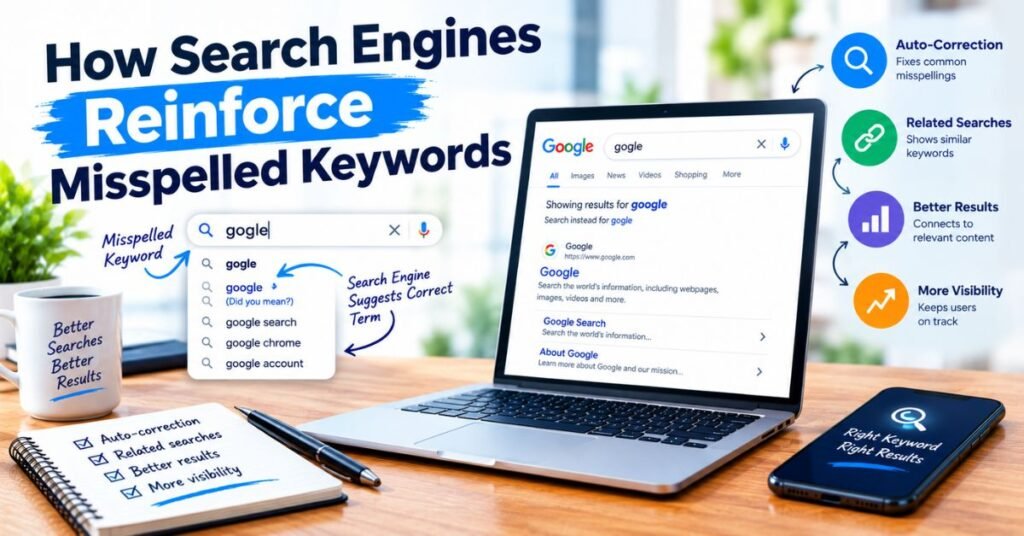
Search tools watch what people type. If many users type the same wrong word, that word can show up in suggestions. This is how search engines handle misspelled queries. Some tools correct the spelling. Others show results for both versions. Either way, the wrong word gets more attention. Search engine keyword variations can then spread across many pages in search engine results pages.
Think of a rumor in a school hallway. Hear it ten times, and it starts to sound true. Search results work the same way. Many pages on one word do not make that word official. This is a key point about search results and misinformation. Volume is not proof. A crowded page of results can still hold weak facts.
Here is the loop in simple form:
Typo typed → Search volume grows → Articles published → Suggestions appear → More typos typed
When an Online Typo Starts Looking Like a Brand
A real brand has clear signs. It has an official site, a known owner, and a support team. It also has terms of use and contact details. These signals build website identity. They also build online credibility. A typo has none of them at the start. Yet on the web, a typo can fake them.
How does that happen? Writers give the word a title. They add headings, logos, and “what is it?” guides. Soon the word feels official. That is a risk for streaming website trustworthiness. A name that looks established may have no real owner at all. This is a core issue of streaming website legitimacy.
| Signal | Real Brand | Typo Posing as Brand |
| Official owner | Clearly named | Often unknown |
| Support and contact | Available | Missing or fake |
| Terms and policies | Published | Rare or copied |
| Stable history | Years of records | Sudden growth |
The Role of SEO Pages in Spreading Methatreams
SEO means search engine optimization. It helps pages show up in search results. Used well, it helps readers find clear answers. Used poorly, it chases odd keywords with no fact checks. An SEO content strategy often follows traffic. If people search a strange word, some publishers write about it. They want organic search traffic. They may not care whether the word is real.
This creates a loop. Users search a term. Sites write about it. Search tools show those sites. More users search again. The result is how SEO contributes to online search confusion. Thin pages repeat each other. None of them check the facts. Over time, Methatreams search confusion grows larger. Readers see many pages and assume the term must be solid.
See Also: TRWho.com Tech: Best Helpful Guide to Security, Hardware & Software (2026)
Methatreams and the Problem of Copycat Websites
Familiar names attract copycats. Some sites copy a known name with one changed letter. These are similar-looking website domains. Some act as mirror pages. Others are fake streaming websites built to trap clicks. A fan in a rush may not notice the difference. The name feels close enough. That feeling is exactly what the trap needs.
How can users identify fake sports streaming websites? Watch for warning signs. Be wary of suspicious pop-up ads, fake play buttons, and forced downloads. Look out for pages that bounce you around. These are malicious redirects. A familiar name does not equal a safe site. One changed letter can separate a known page from a risky copy. This is why domain reputation matters. Always verify unfamiliar website domains before you click.
Why Free Sports Streaming Search Terms Spread Online
Sports are hard to watch in one place. Rights are split between many companies. Some events need a paid plan. Others face regional blocks. These are real sports streaming access issues. Fans get frustrated. Many then look for quick, free options. That demand drives sports streaming search terms across the web. It also explains why free sports streaming websites stay popular in internet search trends.
Names spread fast in this space. Friends share them in chats. Forums pass them around. When one site disappears, users hunt for another. When one spelling fails, they try a new one. That habit feeds how misspelled streaming keywords become popular. It matters that anti-piracy groups and authorities have taken action against unauthorized streaming domains in recent years. New names and lookalikes often appear after each action. The cycle keeps moving. If you want exact details, read the original reports from the organizations involved.
What Are the Risks of Unofficial Sports Streaming Websites?
Online streaming website risks come in several forms. Unofficial streaming websites can carry phishing risks. They can also push malicious redirects that open harmful pages. Some pages try to install unwanted software. Others show endless ads. Weak browser security makes these threats worse. These sites rarely explain how they handle your data.
There are also legal and privacy concerns. Copyright and unauthorized streaming is a serious issue. Rules differ from country to country. Still, many places protect sports broadcasting rights. Online privacy and security can suffer too. You may expose payment details or personal data. Personal data protection should always come first. Here are the main risks at a glance.
See Also: Glorvix com: 7 Powerful Digital Marketing Strategies for Business Growth (2026)
| Risk | What It Means | How It Affects You |
| Malware | Harmful software | Device damage |
| Phishing | Fake login or payment pages | Stolen data |
| Redirects | Forced jumps to other sites | Unsafe pages |
| Copyright issues | Content shown without permission | Possible legal trouble |
| Data exposure | Weak privacy practices | Loss of privacy |
Is Methatreams Safe? Spelling Alone Is a Red Flag
Is Methatreams a legitimate sports streaming website? No evidence supports that claim. The spelling alone should make you pause. A misspelled name points to domain name confusion, and confusion is where copycats thrive. If a page uses this name and asks you to click, download, or pay, step back. Close the tab. Strong online streaming safety starts with a simple rule. Do not trust a name just because it showed up in a search.
How to Identify Misleading Streaming Guides
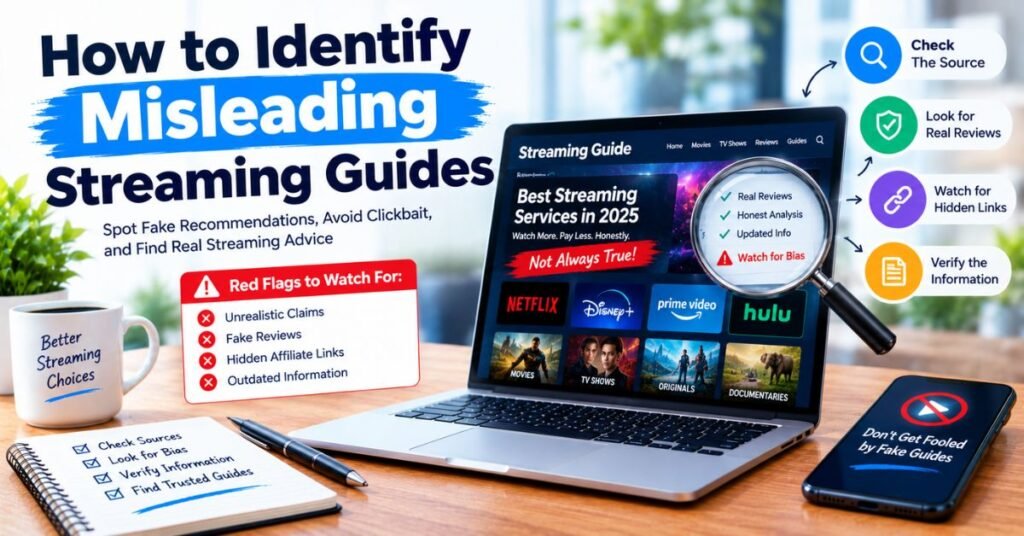
Many online articles exist only to catch traffic. Some are helpful. Others copy claims from other pages. A weak Methatreams streaming guide may stretch an unclear word into a full story. It may sound sure while offering no proof. Content accuracy matters here. Readers should look for clear sources, named authors, and honest language. Good writers admit when facts are unclear.
How to identify suspicious websites is easier with a few questions. Ask who owns the site. Check whether the page names its sources. See if it pushes pop-ups or strange downloads. Notice whether it promises paid sports for free. Finally, check whether it skips legal and safety details. Each “yes” is a warning. This simple website verification habit protects you from digital misinformation. It also helps you judge streaming website legitimacy in seconds.
Safer Ways to Find Sports Streams Online
Good options exist. Legitimate sports streaming services include official streaming providers, league websites, and broadcaster apps. Many offer subscription streaming services with clear terms. Some leagues list “where to watch” pages for each country. Those pages show the lawful choices in your region. This is one of the best safe ways to watch live sports.
Money can be tight. Fortunately, there are sports streaming alternatives that cost less. Try radio coverage, live text updates, and official highlights. Many teams share short clips on their social pages. These options keep you in the game without the risk.
Pair them with basic habits. Skip strange downloads. Never enter payment details on unknown pages. Do not install browser extensions from pop-ups. These habits improve your online sports streaming experience and protect your personal data.
See Also: Why Does Ozdikenosis Kill You? The Truth About This Viral Disease Myth (2026 Guide)
What Methatreams Reveals About Online Misinformation
Big lies are not the only source of confusion. Sometimes a tiny error does the job. A typo gets searched. Then it gets written about. Other sites copy it. Readers see many results and assume the word is real. That is how weak information gains false authority. Methatreams is a clean example of digital misinformation in action. It also shows how digital media consumption can reward speed over truth.
You can fight this with small habits. Slow down before you click. Check who wrote the page. Look for named sources. Treat search results as leads, not proof. Notice words such as “may” and “might.” They signal that a claim is not settled. These internet search habits build online credibility over time. They also keep you safer in a web full of lookalike names.
Frequently Asked Questions
These short answers cover the most common questions. Each one gives a direct reply first.
Is Methatreams a Real Streaming Platform?
Is Methatreams a real website? There is no clear proof of an official service under this exact name. It appears to be a Methatreams typo or spelling variation of MethStreams. Some pages use it as if it were a real Methatreams platform. That does not make it one. Many pages on a word do not prove that the word is official. When facts are unclear, assume caution.
Why Do People Search for Methatreams Instead of Other Streaming Sites?
People often misspell names they only heard once. Others copy the spelling from a post or a page. Search suggestions can also push the wrong word. Add the rush of a live game, and mistakes grow. These habits explain what does Methatreams mean to many searchers. For them, it is just a name they half remember. They want a working stream and little else.
Is It Safe to Visit Unfamiliar Streaming Websites?
Usually, no. Unfamiliar sites can carry malicious redirects, fake buttons, and harmful downloads. They may also collect your data without clear rules. Check the domain, read the page for warning signs, and keep your browser updated. When in doubt, leave. A missed minute of a match costs far less than a stolen identity or a damaged device.
How Can You Find Legitimate Sports Streaming Services?
Start with the official league website. Most leagues list approved broadcasters by country. Then check the broadcaster’s own app or site. Look for clear pricing, terms, and contact details. You can also use radio coverage or live text updates as backups. This is how how can you find safe and legal sports streaming services gets a simple answer. Follow the official trail.
Final Thoughts
Methatreams teaches a big lesson. A name is not proof. A typo can grow into a keyword. A keyword can become an article. An article can create a false sense of trust. The Methatreams meaning is simple. It appears to be a changed spelling tied to MethStreams, not a verified service. Methatreams streaming pages deserve a second look before you trust them.
So slow down. Check sources, verify domains, and use lawful options. A live game is exciting. Your safety is worth more. If this guide helped, share it with a friend who loves sports. Got a question about online streaming safety? Leave a comment and let’s talk.

Arslan Rafi is a writer and language enthusiast who creates easy-to-understand content about slang, expressions, words, and their meanings. His work focuses on explaining regional and modern language in a clear, engaging way, helping readers understand how words and phrases are used in everyday conversation.